Ask a room of coffee drinkers where beans should live and you will hear the freezer, the refrigerator, a ceramic jar, and the bag it came in, all defended with confidence. Each of those answers contains a piece of the truth. Coffee storage is not complicated, but it does punish a few common habits, especially in a humid North Carolina summer.
This guide works through the myths one at a time, then ends with a short checklist you can apply to the bag you already own. No special equipment is required, and the most expensive item on the list is a container with a lid that seals.
Myth one: the refrigerator keeps coffee fresh
The refrigerator is the worst common storage spot. Coffee is porous and absorbent, and it picks up the flavors of whatever shares the shelf, which is how beans end up tasting faintly of last week's leftovers. Worse, every time a cold bag comes out into warm, humid kitchen air, moisture condenses on the beans. Moisture is one of the main things that ages coffee, so the fridge routine actively works against the goal.
Myth two is the counter jar. A clear glass jar looks good and does two bad things: it lets in light and, unless the seal is genuinely airtight, it lets in air. If you love the jar, keep it inside a cabinet. The darkness matters more than the container's looks.
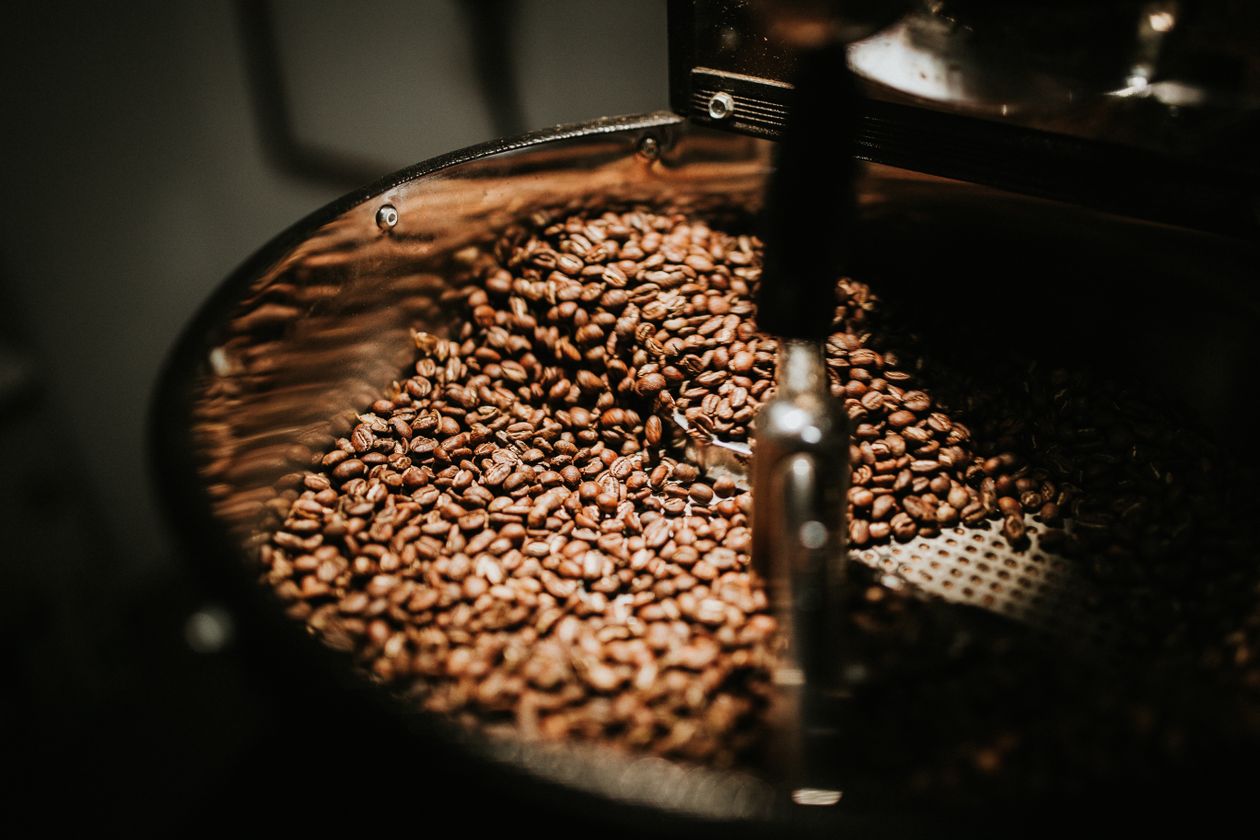
When the freezer actually works
Freezing is not the villain it is made out to be, as long as it is a one-way trip. Portion a large bag into single-use amounts, seal each portion airtight, freeze them, and when you take one out, use all of it and never refreeze it. Handled that way, frozen beans hold their flavor far longer than beans sitting open on a counter. Handled casually, with one big bag opened every morning straight from the freezer, condensation ruins the whole exercise.
The practical storage checklist for most Waxhaw households is short:
- Keep beans whole until you brew. Ground coffee ages in days, whole beans in weeks.
- Store the bag or an airtight container in a cool, dark cabinet, away from the stove and the dishwasher's heat.
- Buy amounts you will finish in two to three weeks, and check the roast date when you buy.
- Keep coffee away from spices and other strong smells. Beans absorb odors quietly and completely.
- If you freeze, portion first, seal well, and thaw only what you will use at once.
- Write the roast or purchase date on the bag. Memory is unreliable by week three.
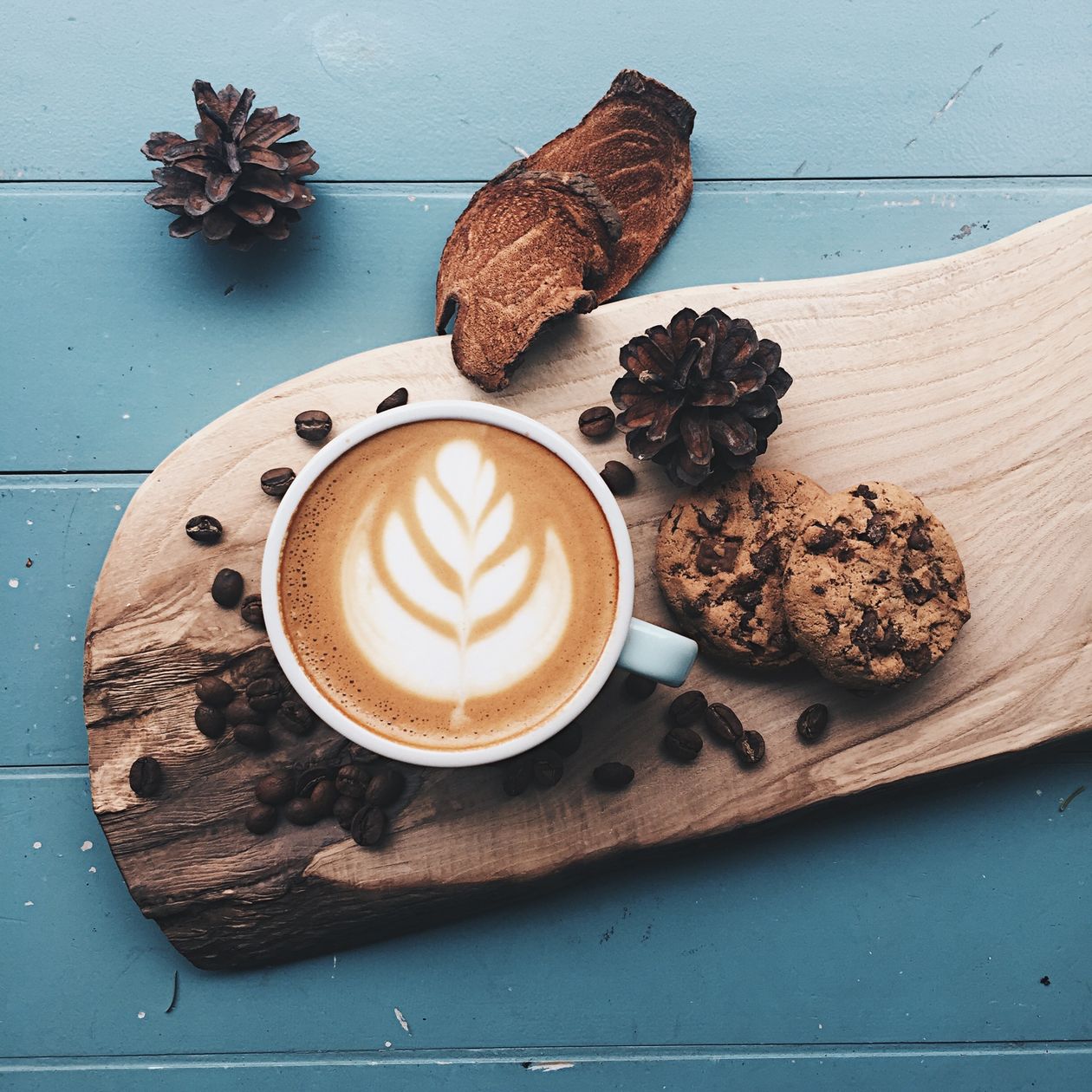
Why shops store coffee the way they do
Watch how a roaster stores coffee and you will see the same principles at work. Beans rest in sealed bags with one-way valves that let roasting gases out without letting air in. Stock turns over quickly, so nothing sits long enough to fade. A shop like Crossroads Coffee House roasts its own beans, which shortens the time between the roaster and your cup compared with beans shipped across the country and warehoused.
You cannot replicate a roaster's turnover at home, and you do not need to. You only need to stop the three habits that do most of the damage: the fridge, the sunny jar, and the giant bag bought for the season. Fix those, and the coffee you make at home gets noticeably better without changing a single thing about how you brew it.
What to do with a bag you bought too much of
Everyone overbuys eventually: a sale, a gift, a second bag opened while the first still has a week in it. The recovery plan is simple. Seal the extra bag airtight, portion what you can into single-use amounts for the freezer, and move the oldest beans to the front of the cabinet to be used first. Brew the aging beans in the ways that forgive age: cold brew, coffee with milk, and the big weekend pot for a houseful of guests all hide staleness better than a careful pour over drunk black. Save your freshest beans for the cups where the coffee stands alone, and an overbought bag becomes a small logistics problem instead of a month of disappointing mornings.
Common questions
How long can an unopened bag sit in the pantry?
An unopened, sealed bag with a valve holds up for a few months, though the best flavor is in the first month after roasting. Once opened, plan on two to three weeks.
Should I store coffee in its original bag?
Yes, if the bag reseals well and has a one-way valve. Squeeze the air out before sealing. Otherwise an airtight container in a dark cabinet is the better home.
Does the type of container matter much?
Less than darkness, dryness, and a real seal. An opaque, airtight container in a cabinet beats an expensive clear canister on a sunny counter every time.
Photos in this guide are representative stock images.
← All guides from Crossroads Coffee House← Back to Crossroads Coffee House