Cold brew suits a Waxhaw summer. It is made ahead, it lives in the refrigerator, it pours over ice without tasting watered down, and it asks for no special equipment beyond a jar, a filter, and patience. It also fails in predictable ways. Most bad cold brew is bitter, muddy, or weak, and each of those problems points to one specific step that went wrong.
The method below is the standard one used in coffee shops, scaled down for a home kitchen. Follow the steps in order the first time. After that, adjust one thing at a time, because cold brew rewards small experiments and punishes random ones.
The steps, in order
- Start coarse. Grind the coffee about as coarse as raw sugar. Fine grounds over-extract in a long steep and turn the batch bitter and muddy.
- Combine coffee and cool water. Use roughly one part coffee to eight parts water by weight for a ready-to-drink brew, or one to four for a concentrate you will dilute later.
- Stir and wait. Make sure every ground is wet, cover the jar, and leave it at room temperature for twelve to sixteen hours, or up to a day in the refrigerator.
- Filter twice. Pour through a fine mesh strainer first, then through a paper filter. The second pass is what makes the cup clean instead of gritty.
- Chill and store. Refrigerate the finished brew and use it within about a week, while the flavor is still bright.
Cold water extracts coffee slowly and unevenly compared with hot water, which is why the grind and the time matter so much. Hot brewing is over in minutes, so small errors wash out. A sixteen-hour steep magnifies them. Coarse grounds give the water less surface to work on, balancing the long contact time. That balance, coarse grind plus long steep, is the entire trick.
Fixing the three common failures
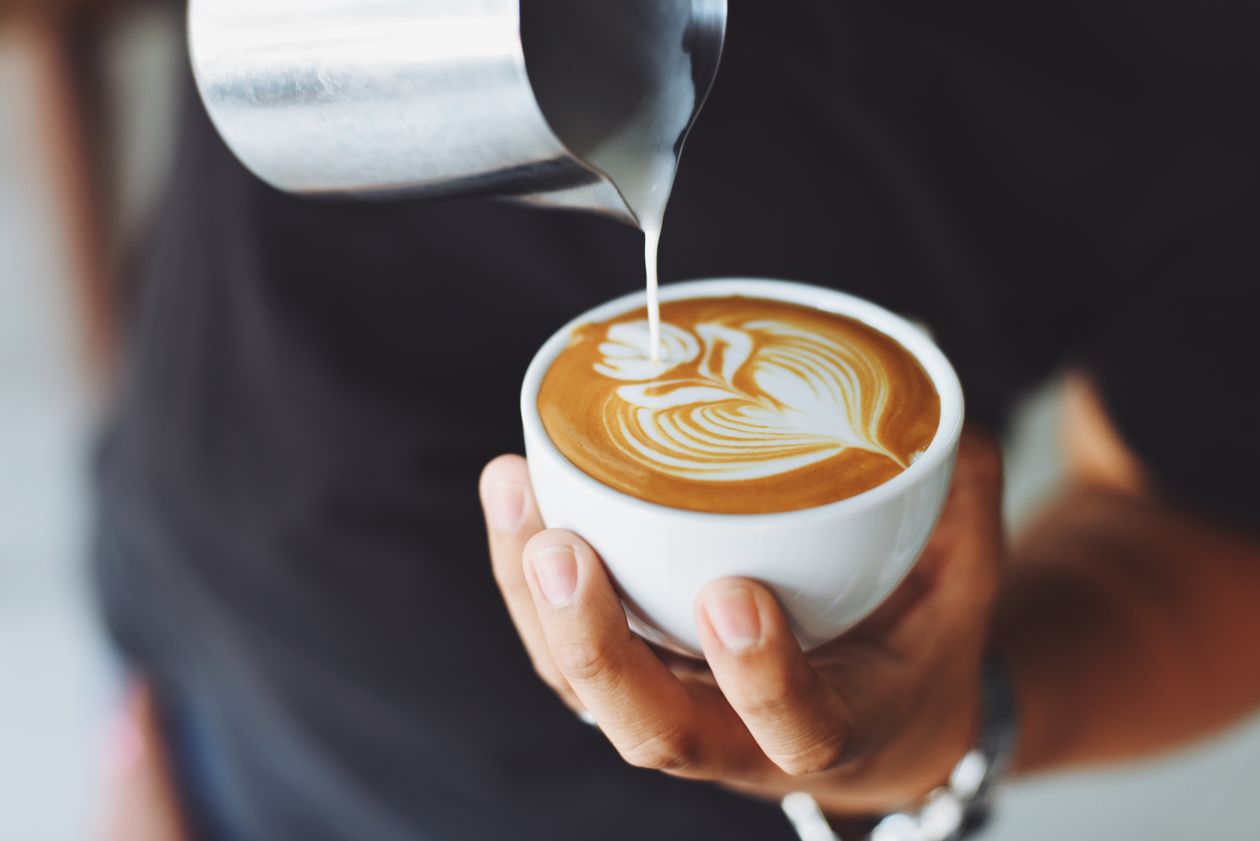
Bitter cold brew almost always means the grind was too fine or the steep ran too long. Weak cold brew usually means the opposite, or too little coffee for the water used. Sour, thin cold brew often means the steep was too short for the grind, so the coffee never finished extracting. Write down what you did, change one variable, and taste again. Two or three batches in, most home brewers have a version dialed in for their own taste.
Water matters more than people expect. Waxhaw tap water makes drinkable cold brew, but heavily chlorinated water can mute the flavor. If your tap water tastes strongly of chlorine in a plain glass, it will taste that way in the coffee too. A simple carbon filter pitcher fixes it, and the same water will improve your hot coffee as well.
Serving it like a coffee shop does
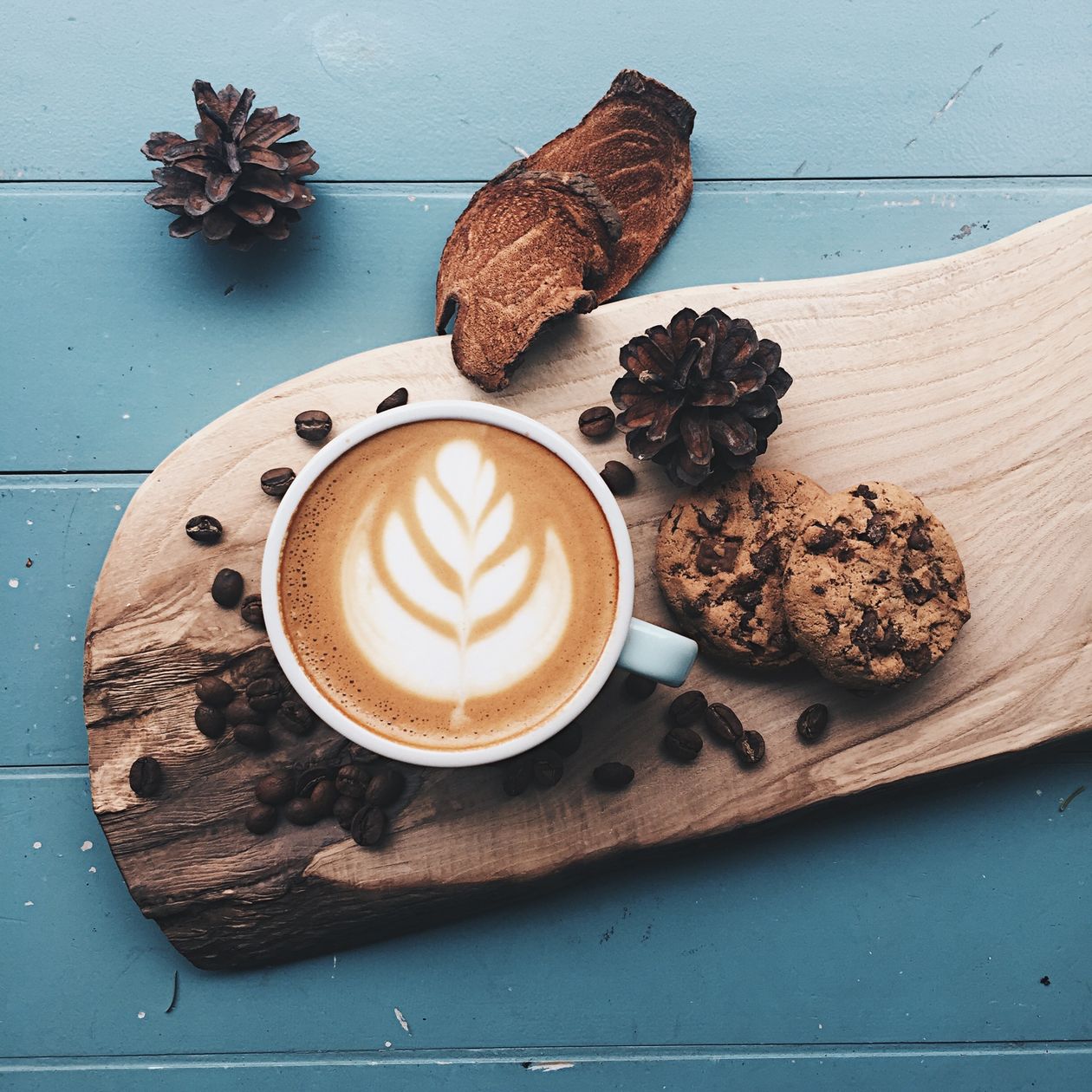
Serve cold brew over fresh ice, not the ice it has been sitting against, and dilute concentrate about half and half with water or milk until it tastes balanced rather than intense. A concentrate that tastes harsh straight is often perfect once diluted. Keep a small bottle of simple syrup nearby for guests who want it sweet, because granulated sugar does not dissolve in cold coffee no matter how long anyone stirs.
Cold brew also keeps better than iced hot coffee, which goes stale and sharp within hours. A batch made Sunday evening covers weekday mornings with no brewing at all, which is the real reason it has become a summer staple in so many Piedmont kitchens. On the hottest weeks, that jar in the refrigerator earns its shelf space.
Scaling the recipe up or down
Cold brew scales cleanly, which is one more reason it suits households. Halve the recipe for a small jar or double it for a week of mornings, keeping the same coffee-to-water ratio and the same grind. Write the batch size, grind setting, and steep time on a note stuck to the jar, because the difference between your best batch and a mediocre one is usually one of those three numbers, and memory blurs them together within a fortnight. When a batch disappoints, the note tells you what to change next time instead of sending you back to guessing, and within a few weeks most home brewers have their own house ratio that they can make half asleep on a Sunday evening.
Common questions
Can I make cold brew with pre-ground coffee?
You can, but choose the coarsest grind available and shorten the steep a little. Expect a slightly muddier cup, and filter it through paper to clean it up.
How long does homemade cold brew keep?
About a week in the refrigerator before the flavor flattens. Concentrate keeps a little longer than ready-to-drink brew, but fresher is still better.
Is cold brew stronger than regular coffee?
The concentrate is, before dilution. Poured at drinking strength, cold brew usually has caffeine in the same general range as hot coffee, and tastes smoother because cold water extracts fewer bitter compounds.
Photos in this guide are representative stock images.
← All guides from Crossroads Coffee House← Back to Crossroads Coffee House