A coffee menu can look like a list of fifteen different drinks. It is really a short list of building blocks: espresso, hot water, steamed milk, and milk foam, combined in different ratios and cup sizes. Learn the blocks and you can order with confidence at any counter in Waxhaw, including on days when you want something specific and do not know its name.
The table below covers the core drinks. Sizes vary from shop to shop, so the proportions matter more than the ounces. A drink that is mostly milk will taste mild and sweet wherever you buy it. A drink that is mostly espresso will taste intense everywhere.
The core drinks, compared
| Drink | What is in it | How it tastes |
|---|---|---|
| Espresso | A concentrated shot of coffee, nothing added | Intense, syrupy, a few sips |
| Americano | Espresso diluted with hot water | Closest to drip coffee, but cleaner and stronger flavored |
| Latte | Espresso with a lot of steamed milk and a little foam | Mild, milky, the espresso in the background |
| Cappuccino | Espresso, steamed milk, and foam in roughly equal thirds | Lighter and airier than a latte, more coffee-forward |
| Cafe au lait | Brewed coffee with steamed milk | Soft and familiar, no espresso intensity |
| Mocha | A latte with chocolate added | A latte first, chocolate second |
Espresso itself is a brewing method, not a type of bean. Any coffee can be brewed as espresso, though shops typically use a blend built to taste balanced under that much pressure and concentration. The shot is small because it is strong, not because the shop is being stingy.

Milk is the difference you are tasting
New coffee drinkers often assume a latte and a cappuccino differ in strength of coffee. Usually they contain the same number of espresso shots. The difference is the milk: how much of it, and how much air has been steamed into it. A latte is a milky drink with coffee in it. A cappuccino, with its thick cap of foam, tastes lighter in the mouth and lets more of the espresso show through, sip for sip.
That is also why drink size changes flavor. Order a larger latte and the shop usually adds milk, not espresso, so the bigger cup tastes milder. If you want a large cup that still tastes like coffee, ask for an extra shot rather than assuming size and strength rise together. Baristas answer that question all day and will steer you well if you describe the taste you want.
How to order what you actually want
Start from the taste, not the name. Want something hot, black, and strong that lasts more than three sips? An Americano. Want something gentle for a slow morning on a porch in Waxhaw? A latte. Want the coffee flavor up front with a lighter feel? A cappuccino. Want drip coffee softened a little? A cafe au lait, made with brewed coffee rather than espresso.
At a shop like Crossroads Coffee House, the flavor list is long and staff can build variations, including iced versions of most of these drinks. Iced lattes and cold brew are not the same thing, by the way. One is espresso poured over ice with cold milk, the other is coffee steeped cold for hours. Both are good. They just scratch different itches on a hot afternoon.
Two more names worth knowing
Two further drinks confuse people at counters. A macchiato, in its traditional form, is an espresso marked with a small amount of foam, a strong, short drink, not the large sweetened cup some chains sell under the same name. A cortado is espresso cut with a roughly equal amount of warm milk, served small, sitting between a macchiato and a latte in milkiness. Neither is exotic once you hold the building blocks in mind: each is espresso meeting a particular amount of milk in a particular size of cup. That is the real lesson of the whole menu. Names are just agreed shorthand for proportions, and proportions can always be described in plain words to the person making your drink, who will happily build the cup you describe even if no menu board names it.
Common questions
Which drink has the most caffeine?
Often the plain brewed coffee, simply because the cup is bigger. A latte and an Americano made with the same shots have the same caffeine from espresso, whatever their size.
What does an extra shot do?
It adds espresso flavor and caffeine without adding milk, so the drink tastes more coffee-forward. It is the usual fix for a large latte that tastes too milky.
Is a cappuccino supposed to be dusty with cocoa or cinnamon?
That garnish is a cafe habit in some places, not a requirement. The defining feature is the equal balance of espresso, steamed milk, and foam.
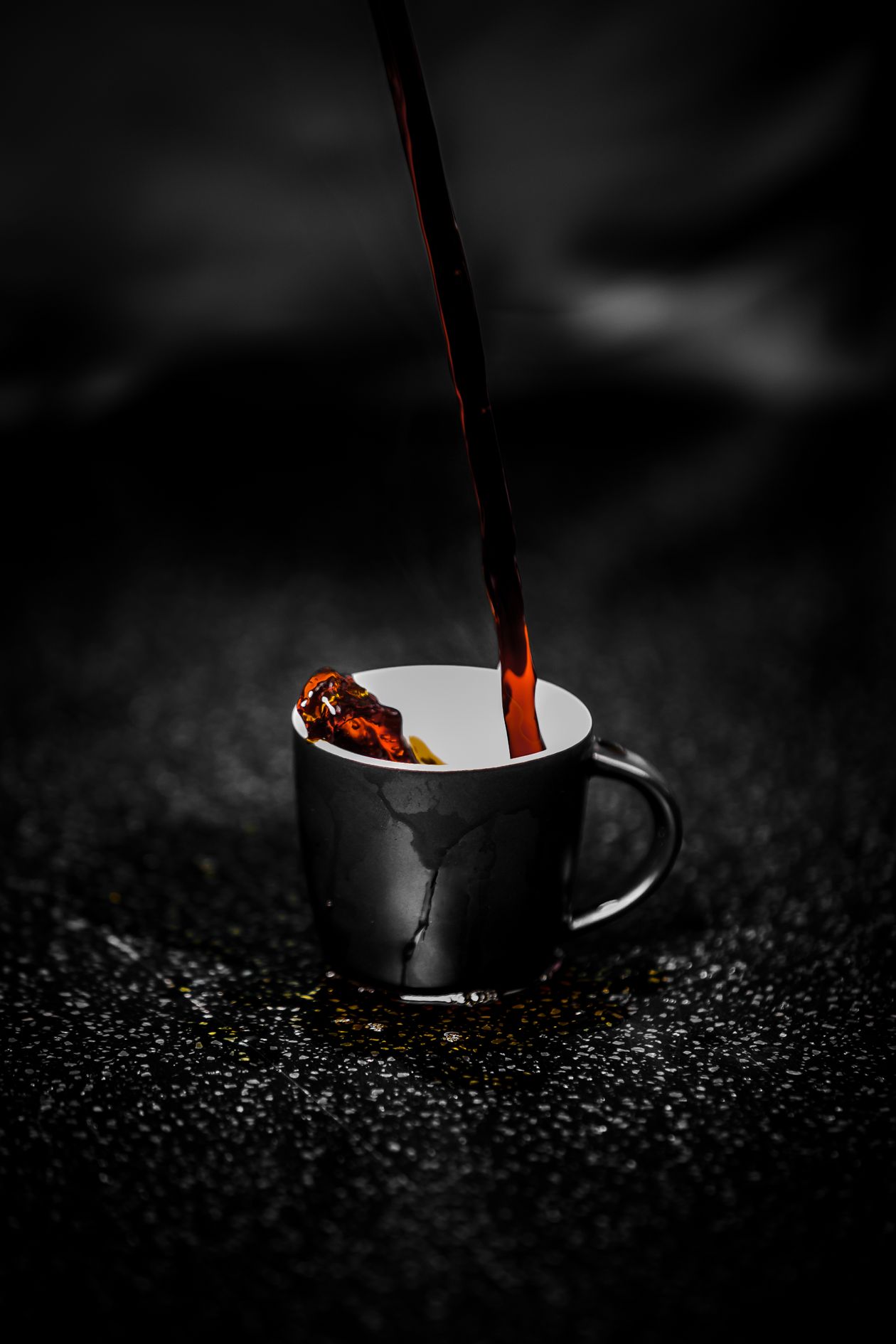
Photos in this guide are representative stock images.
← All guides from Crossroads Coffee House← Back to Crossroads Coffee House