Plenty of people in Waxhaw love the taste and the ritual of coffee and could do with less of the buzz, especially after lunch. The good news is that caffeine is one of the easiest things to adjust in a coffee drink, once you know where it actually comes from. It does not come from how dark the roast is, and it does not come from how strong the coffee tastes. Those two myths send people in exactly the wrong direction.
Caffeine comes from the amount of coffee used and the blend itself. A drink can taste bold and carry modest caffeine, or taste mild and carry plenty. The numbers below are typical ranges for standard servings, and they explain most of what you need to order well.
The numbers that matter
Read those numbers and a pattern appears. Size matters more than style. A large brewed coffee can carry more caffeine than a small latte, because there is simply more coffee in the cup. A double-shot latte lands near a small drip coffee. People who switch from a big morning drip to a small latte often cut their caffeine without ever ordering anything labeled low caffeine.
The practical ways to dial it down
Half-caf is the most useful order most people never make. Ask for half regular and half decaf beans in a brewed coffee, or one regular and one decaf shot in a latte, and you keep nearly all the flavor with roughly half the buzz. Most shops, including local roasters, will do this without blinking, because they stock both beans anyway.
Size and timing do the rest. Order the smaller cup after midday. Choose a latte over a large drip when you want the ritual with less caffeine, since the milk stretches a modest amount of espresso across the cup. And know that dark roast is not the strong choice people assume: roasting actually burns off a small amount of caffeine, and dark beans are often measured by scoop, which means less coffee by weight. The differences are small, but they run opposite to the usual assumption.
Decaf deserves a fair hearing, too. Modern decaf from a shop that roasts and brews it fresh tastes like coffee, because it is coffee, made from beans processed to remove most of the caffeine before roasting. Stale decaf brewed from an old bag is what gave it a bad name. Fresh decaf, ground to order, closes most of that gap.
Building an afternoon coffee habit
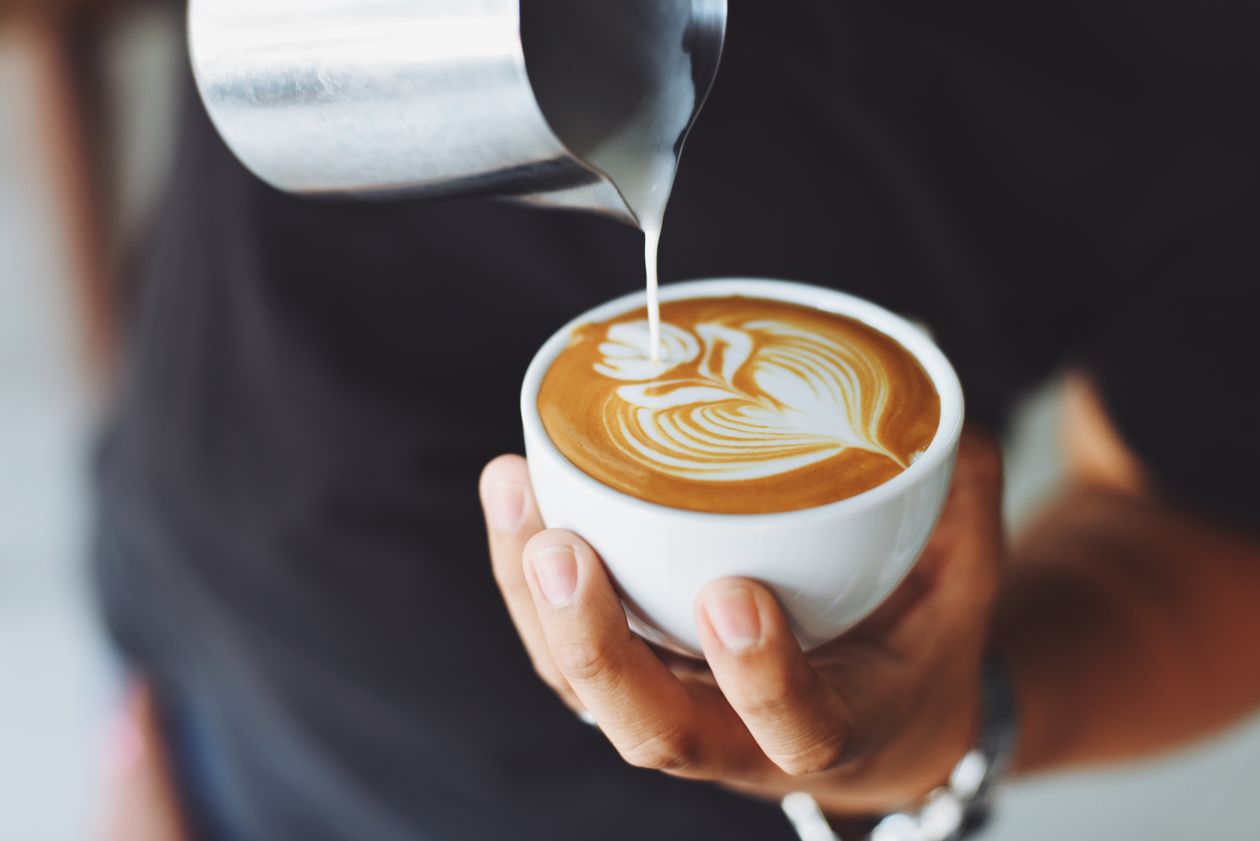
In a Piedmont summer, the afternoon drink is often iced, and iced drinks hide caffeine well. An iced latte tastes gentle and can still carry two full shots. If the goal is a cold drink and a calm evening, ask for it half-caf, or drop to a single shot in the smaller size. Tea is the other honest option: a shop with a real tea selection gives you a drink with roughly a third to a half the caffeine of coffee, and hot chocolate carries only a trace.
None of this requires giving anything up. It requires knowing that the menu is adjustable, which is the quiet truth of every good coffee counter in Waxhaw. Tell the barista the taste you want and the buzz you do not, and there is almost always a drink that meets both.
A note on caffeine and sleep
Caffeine leaves the body slowly, with roughly half of a dose still present five to six hours after drinking it in many adults, and sensitivity varies widely. That timing is why the same lunchtime coffee leaves one person sleeping soundly and keeps another staring at the ceiling. If your sleep has thinned and nothing else explains it, the afternoon cup is a fair suspect to test before anything more drastic. Shift the last full-caffeine drink to before noon for a week and see what changes. The experiment costs nothing, the coffee still gets drunk, and a half-caf habit at lunch keeps the ritual intact while the data comes in. Ritual, it turns out, was most of the point all along.
Common questions
Does dark roast have more caffeine?
No. If anything, slightly less by scoop, because roasting reduces caffeine a little and dark beans are less dense. Roast level changes flavor far more than caffeine.
Is decaf completely caffeine free?
Not completely. A cup of decaf usually keeps a small amount, a few milligrams compared with roughly ninety-five in a regular brewed cup. For almost everyone, that is a negligible dose.
What is the best low-caffeine afternoon order?
A small half-caf latte is a good default: full coffee flavor, about half the caffeine of the regular version, and easy for any coffee shop to make.
Photos in this guide are representative stock images.
← All guides from Crossroads Coffee House← Back to Crossroads Coffee House